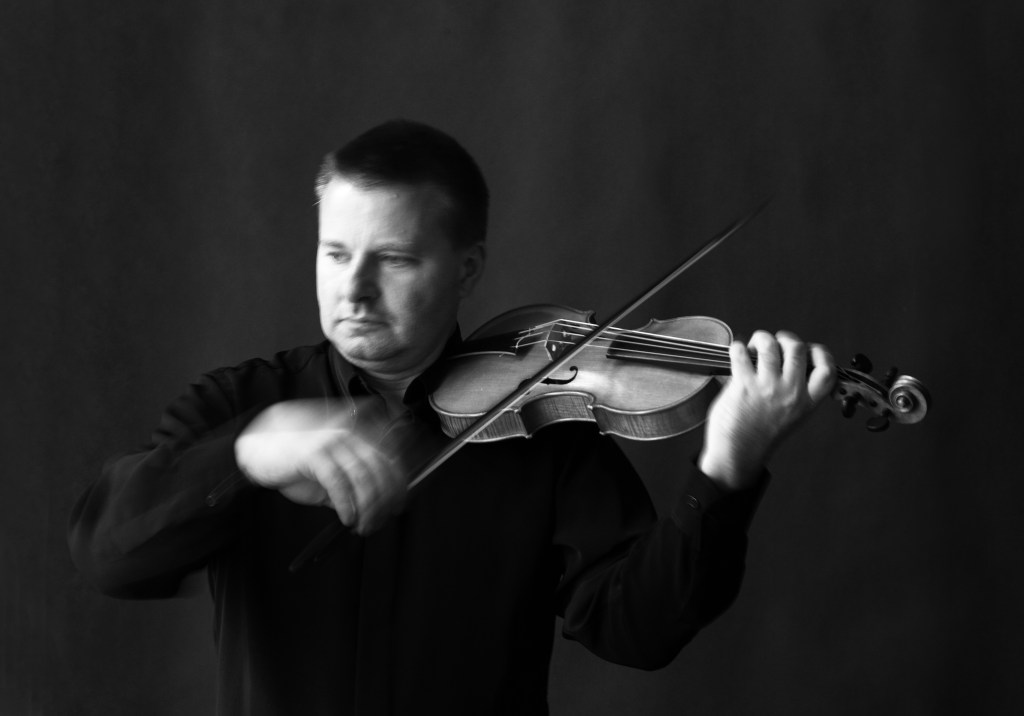
Szabolcs Illés is a Baroque violinist, musicologist and a specialist in HIPP (Historically Informed Performance Practice). He obtained degrees in the modern and Baroque violins in Budapest and Leipzig, and a Masters in Baroque violin in Brussels, studying in the class of Sigiswald Kuijken, where he was the teacher’s only Hungarian student and the only exponent in Hungary of the world-famous Baroque violin school founded by him. Since 2009 he has performed in many events as a member of his teacher’s world-famous ensemble La Petite Bande. Since 2008 he had been the concertmaster of the Czech Hof-Musici ensemble for ten years. They worked mainly on the reconstruction and premiering of Baroque operas in Cesky Krumlov with period instruments, costumes, original scenery, without conductor. He gives concerts throughout Europe as a soloist and chamber musician, as a member of the chamber ensembles. Szabolcs Illés released the following solo CD-s, based on his own research, featuring French and Italias Baroque sonatas, some of which were there recorded for the first time: „Sonate, que me veux-tu? (2011, Hof-Musici), Corelli’s Legacy (2015, Hungaroton), „Les Forjerons” (2020 Hungaroton) with first recordings of Sonatas composed by Jean-Jacques Baptiste Anet. In 2021 he recorded the 12 Telemann Fantasias with historical playing technique. Alongside his extensive concert activity he regularly gives courses and lectures in the countries of Europe and in New Zealand. (Photo: Raffay Zsófi)
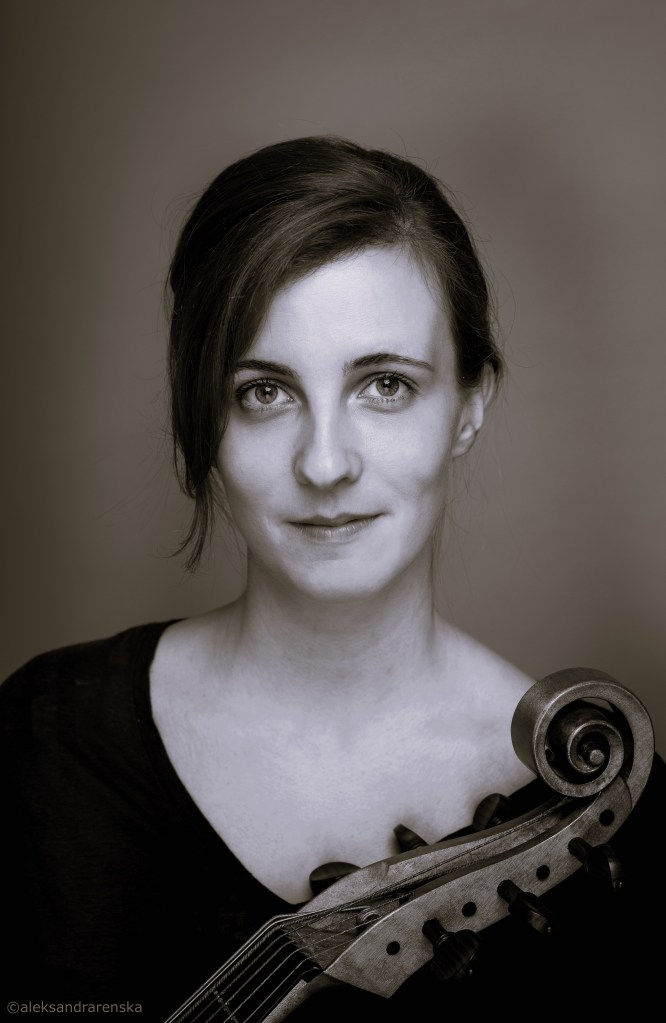
Anna Lachegyi is an active member of the early music scene in Europe, both as a viola da gamba and cello player. She was born in Hungary into a family of musicians and ever since she started to play the cello at the age of five, chamber music and early music have played a significant part in her life. She currently lives in the Netherlands where she obtained her master diploma at the Royal Academy of Music in The Hague in the class of Mieneke van der Velden and Philipp Pierlot. She has been invited to play at various festivals in the Netherlands and across Europe, dividing her time between solo, chamber music and orchestral playing in renowned ensembles such as Ricercar Consort (Philippe Pierlot), Hespérion XXI (Jordi Savall), Netherlands Bach Society or Vox Luminis. She has recorded numerous albums for Label Flora and Mirare Records in various chamber music formations. Her most recent album, Exils, was released in December and features Spanish Renaissance music arranged for four viols. Next to her career as a performer, she is a devoted teacher as well, regularly giving private classes in the Netherlands, and master classes on both the viola da gamba and baroque cello in Hungary.
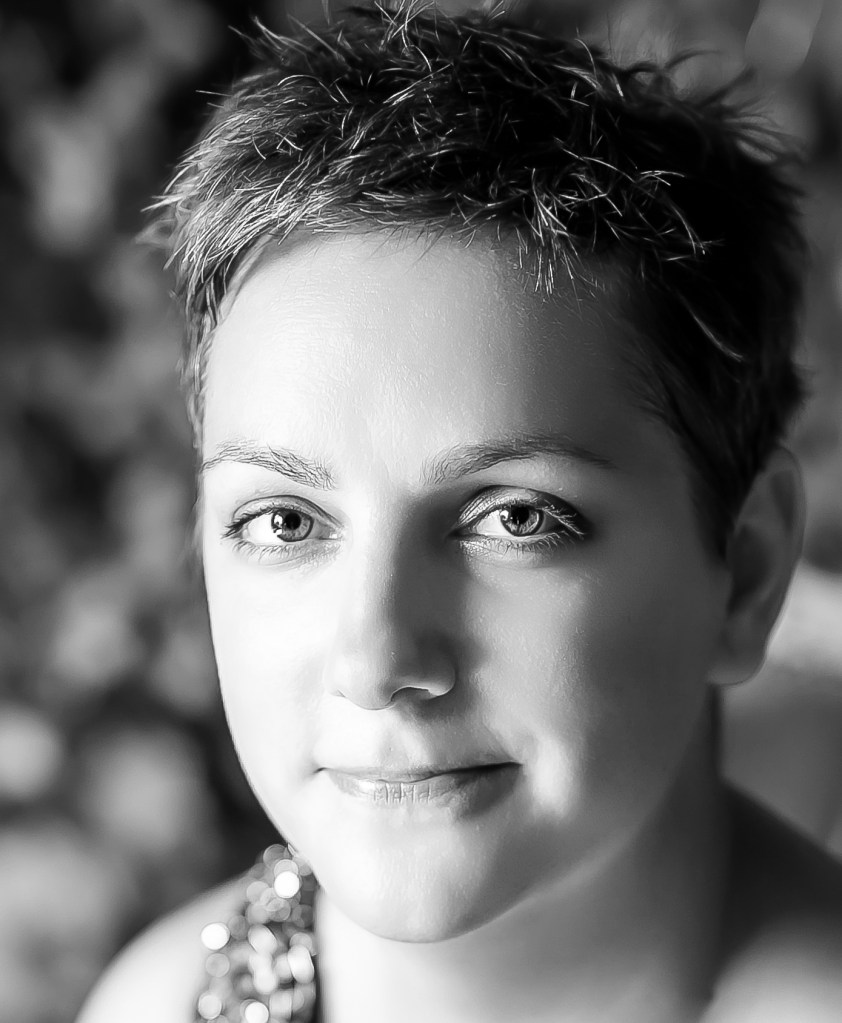
Zsuzsi Tóth discovered her vocation for ensemble singing at the age of 14, when her first choir rehearsal revealed that music could be not only a personal joy but also a source of connection and a lifelong love of making music with others. This formative experience has remained at the heart of her artistic and personal life.She studied classical singing in her hometown of Szeged before moving to the Netherlands, where she graduated with distinction in Early Music singing from the Royal Conservatory of The Hague. For the past 20 years she has been active on international stages, dedicating herself to the art of collective music-making. She has sung with Collegium Vocale Gent, the Netherlands Bach Society, Nederlands Kamerkoor, Tetraktys, and Sete Lágrimas, and has been a core member of Vox Luminis for nearly two decades—an artistic journey documented in more than 30 CD recordings, videos, and broadcasts. Beyond her musical life, Zsuzsi loves to spend time with her two children and friends, loves teaching, listening podcasts, walking, staying curious and breathing. (Photo: johnnyfoto)
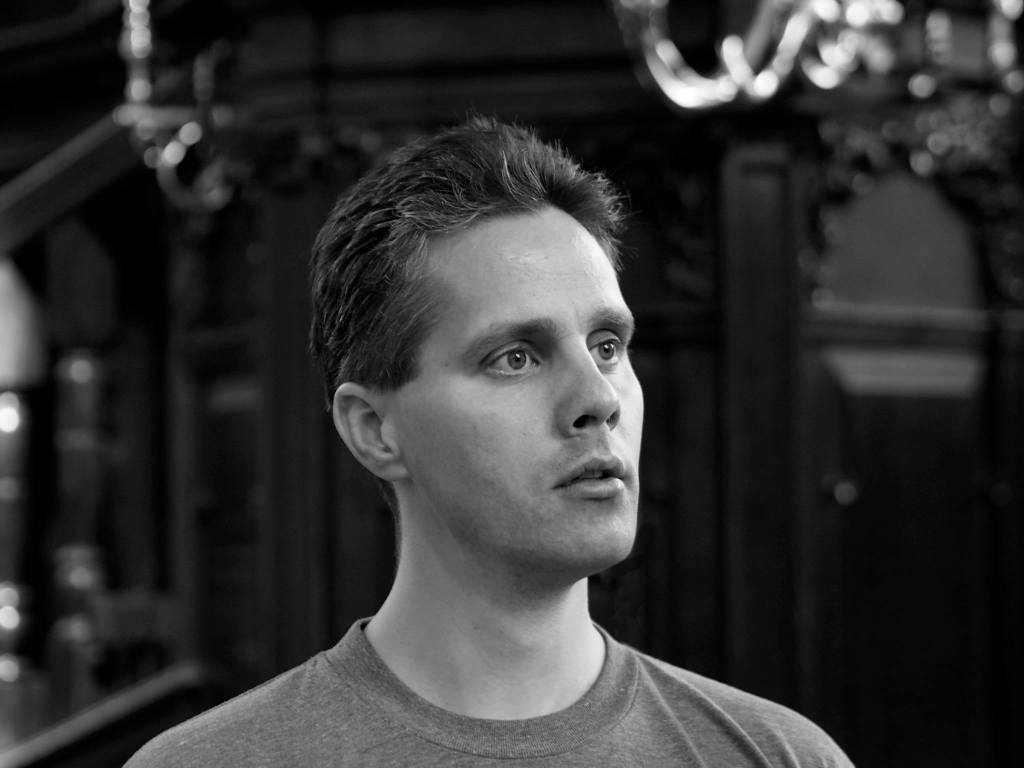
Barnabás Hegyi, the Hungarian counter-tenor, studied conducting, singing, church music, composition and organ playing at the Franz Liszt Academy of Music in Budapest. He was awarded the Bachelor degree in Early Music singing at the Royal Conservatory of The Hague as a student of Michael Chance, Rita Dams, Jill Feldmann and Peter Kooy. He attended Tilburg Music Academy where he completed his Master’s in Early Music Singing He has won awards at several singing competitions; 1st prizes at the National Singing Competition for Secondary Music Students in 2001 as well as at the National Simándi Singing Competition in 2002. Later, in 2003 he was awarded 3rd prize at the singing competition in Irun, Spain, which same competition he came as first in 2005. In 2007 Barnabás Hegyi faced three major challenges. First he gained the only counter-tenor role for Monteverdi’s Orfeoat the competition organized to commemorate the 400th anniversary of the piece in Verona and thus sang Pastore at the piece’s gala performance in Mantova. Soon after this he sang successfully at two singing competitions in Hungary; he won 3rd prize at the International Handel Singing Competition and 1st prize at the International Oratory Singing Competition. He also gave a solo concert at Hebden Bridge Arts Festival in England. Barnabás Hegyi’s co-operation with Budapest Chamber Opera is also due to his competition results. Besides, Barnabás Hegyi has sung in A:N:S Choir and Purcell Choir, and in vocal ensembles Voces Aequales and Arpa d’O. He sings regularly with ensembles such as the Huelgas Ensemble, Nederlands Kamerkoor and Nederlandse Bachvereniging Barnabás Hegyi can be heard on more than 30 CD recordings as soloist, choir- or vocal ensemble singer, or piano/organ accompanist.
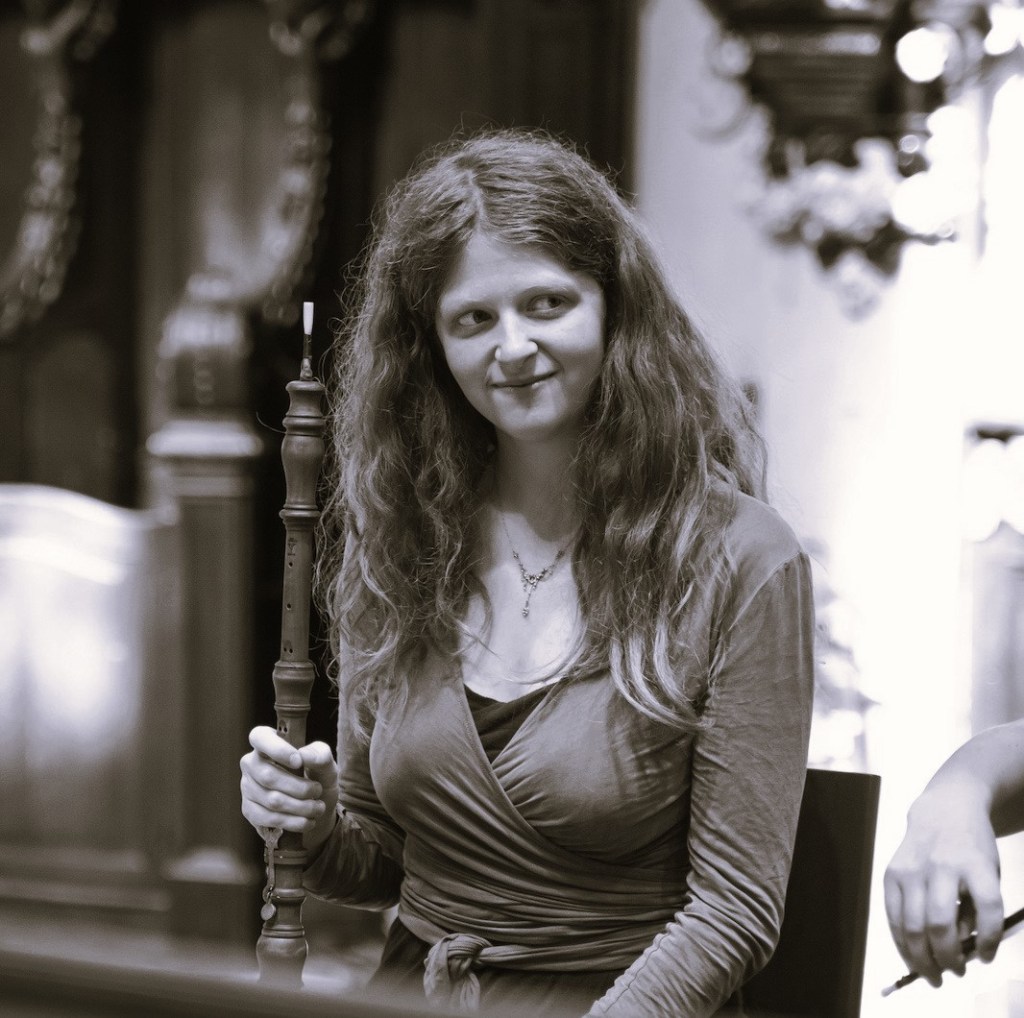
Nele Vertommen has been fascinated by early music since the age of five when she first heard Bach’s St Matthew Passion. It was instantly clear to her that she wanted to be able to play this music herself.When she discovered, after two years of playing the oboe, that those beautiful oboe solos from the Matthew Passion were actually written for the Baroque oboe, she made the decision to become a Baroque oboist. At the age of fourteen, she began studying Baroque oboe, and by fifteen she was a student at the Royal Conservatory of Brussels in the class of Marcel Ponseele. After a gap year in The Hague in which she studied both Baroque oboe and recorder, she received her bachelor’s degree with high distinction. Once back in Belgium, she completed her master’s degree in Brussels, also with high honors. For her graduation, she received a prize from the artistic foundation “Horlait-Dapsens” and soon after she was selected by Klara to be part of their eponymous program « twenty musicians in their twenties ». In September 2021 she won the first prize at the first and last competition she did: The International Telemann Competition in Magdeburg. Together with her partner Beniamino Paganini, she leads Musica Gloria. This ensemble plays for organisations such as Lunalia (BE), Trigonale (AT), Bachfest Leipzig (DE), AMUZ (BE), Festivals de Wallonie (BE), SHFestival (CZ), Concertgebouw Brugge (BE), TAM Regensburg (DE), Festival de Froville (FR), en 30CC (BE), and has so far recorded 8 CDs. Besides performing with Musica Gloria, Nele regularly joins ensembles including, Le Poème Harmonique (FR), B’Rock (BE), ll Gardellino (BE), Collegium Marianum (CZ), I Gemelli Factory (FR), Gli Angeli Genève (CH), Utopia Orchestra (DE) en Concerto Köln (DE) and Ricercar Consort (BE).
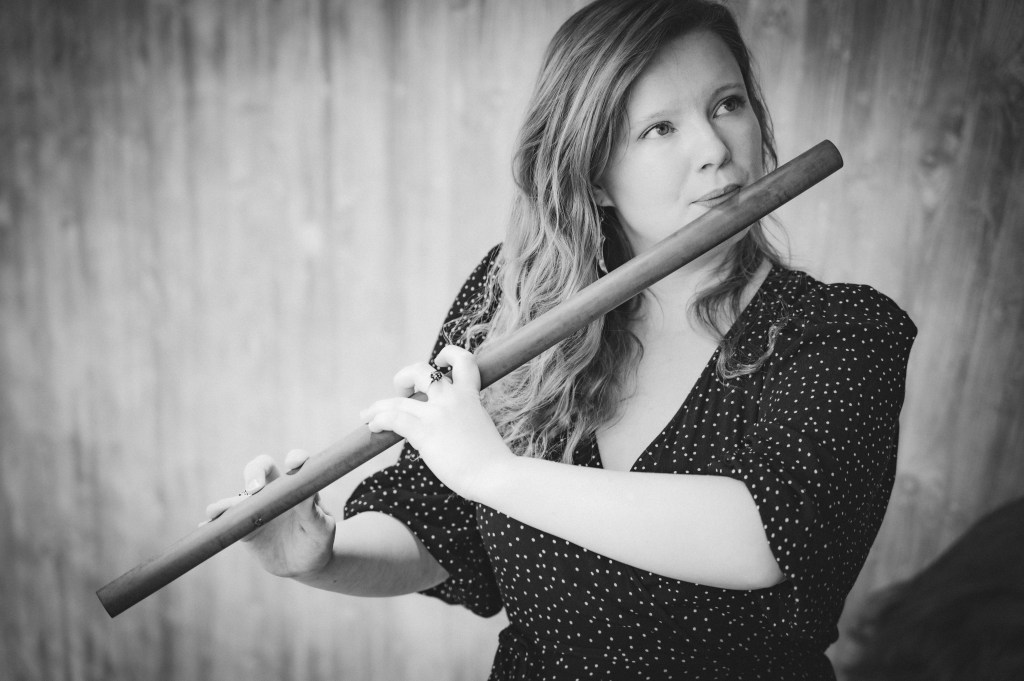
Liane Sadler uses historical flutes ranging from the Mediaeval to Romantic to unearth transtemporal musical worlds. Her curiosity leads her down multifaceted paths through the distinct and yet overlapping spheres of early, contemporary, and traditional music. She directs the ensemble Hourglass – dedicated to lingering in musical thresholds between the past and the present, as well as working closely in her duo Sadler & Conrad – a current S-EEEMERGING ensemble, which experiments with lattice-like arrangements of 16th-century polyphony for traverso and lute. A core member of early music ensembles Phaedrus – a renaissance traverso consort, and pseudonym – which pioneers chamber music practices from the 17th and 18th centuries, Liane has additionally appeared with groups across Europe such as the Akademie für Alte Musik Berlin, Orkester Nord, Weimar Baroque, and Ensemble Ripieno. She also works regularly with jazz and contemporary composers and musicians, most notably in the Francesca Gaza Quartet: aminth, utilising the unique colours and sounds of her historical transverse flutes to reinterpret them as contemporary instruments. With voice as well as flutes, she also explores traditional and folk music realms. Liane completed her orchestral and soloist masters degrees in Baroque, Classical, and Romantic flutes with Professor Christoph Huntgeburth at the University of the Arts Berlin. At the prestigious Schola Cantorum Basiliensis, she gained a further masters in Baroque traverso with Professor Marc Hantaï, as well as additional postgraduate studies with Johanna Bartz and Marc Lewon in Mediaeval and Renaissance flutes. From 2019-2024, she was a co-founder and -artistic director of the Alte Musik Fest Friedenau in Berlin, which worked to innovate early music concert formats through conceptual and interdisciplinary programming.(Photo: Hans-Dieter Brand)

Fanni Edőcs discovered the harpsichord at the age of fourteen. Since the very first moment, she is passionately engaged to the world of early music, its specific keyboard instruments and the historically informed performance practice. She won the National Harpsichord Competition twice in the beginning of her studies, later she graduated from the Liszt Academy Budapest while she was also a scholarship holder at the Leipzig Hochschule für Musik und Theater in the class of Nicholas Parle. To widen her knowledge, she attended numerous masterclasses as well with harpsichordist such as Pierre Hantaï, Gordon Murray, Ketil Haugsand… Shortly after her graduation in 2014, she founded the Budapest based Recurring Company and started experimenting with mixing contemporary art and early music. After multiple succesful projects and concerts, she founded the REC Trio with Dóra Haraszti and Júlia Regős to develop a deeper understanding in the practice of renaissance and early baroque chamber music and also improvisation. They won the second prize (first prize was not awarded) at the Competition La Stravaganza in 2017 and performed at numerous early music festivals and concerts in Hungary and in European countires (Romania, Checz Republic, Netherlands, Denmark). Since 2017 she’s teaching continuo and harpsichord at the Early Music Summer Academie in Esztergom under the leadership of Szabolcs Illés. She contributed as accompanist in multiple masterclasses in Hungary and in Austria as well. Since 2021 she is teaching in the Kodály School in Kecskemét. She performs regurarly as a continuo and chamber music player in different ensembles and orchestras (Harmonia Caelestis Baroque Orchestra, Anima Musicae Chamber Orchestra, Franz Liszt Chamber Orchestra, Concerto Budapest, Festival Academy Budapest etc.) in Hungary and in Europe. Over the past few years, medieval music was in the center of Fanni’s interest. She founded the ensemble Sans Paroles where she plays the portative organ and clavisimbalum, experimenting to perform the instrumental version of the medieval and early renaissance vocal repertoire.
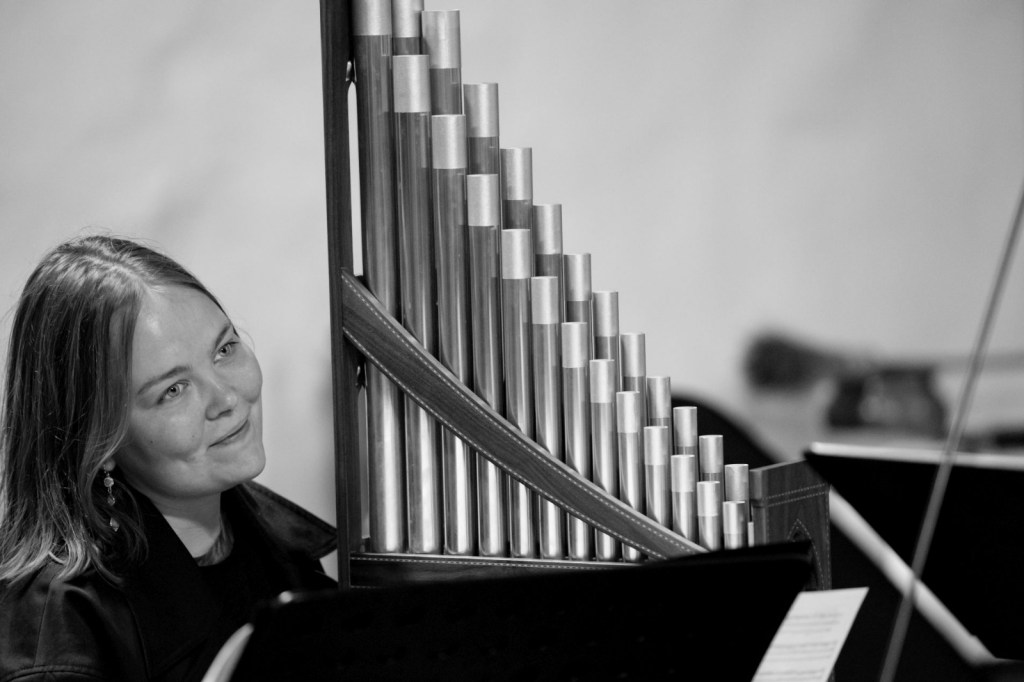
Nóra Szabó is a harpsichordist whose artistic work focuses on repertoire ranging from the Middle Ages to the Baroque period. As a performer, she plays the organetto, clavicimbalum, harpsichord, and organ, freely combining instruments and musical contexts. She studied harpsichord at the Liszt Ferenc Academy of Music in Budapest and at the Royal Conservatoire in The Hague and later earned a master’s degree in medieval keyboard instruments at the Schola Cantorum Basiliensis in Basel. She regularly performs throughout Europe, both as a soloist and as a member of historically informed ensembles and has appeared at festivals such as Predzionek Wraju (Poland), SoundBox Fest (Brussels), and Spiegelungen (Basel). Nóra is the founder and artistic director of the award-winning ensemble La Figuièra, which focuses on the diversity of medieval repertoire and on creative, narrative-driven programmes. While deeply rooted in historically informed performance practice, she places great importance on openness and creative thinking. She is particularly interested in exploring new approaches to early music and in building bridges between medieval repertoire and other musical worlds.(Photo: Cezary Zych)
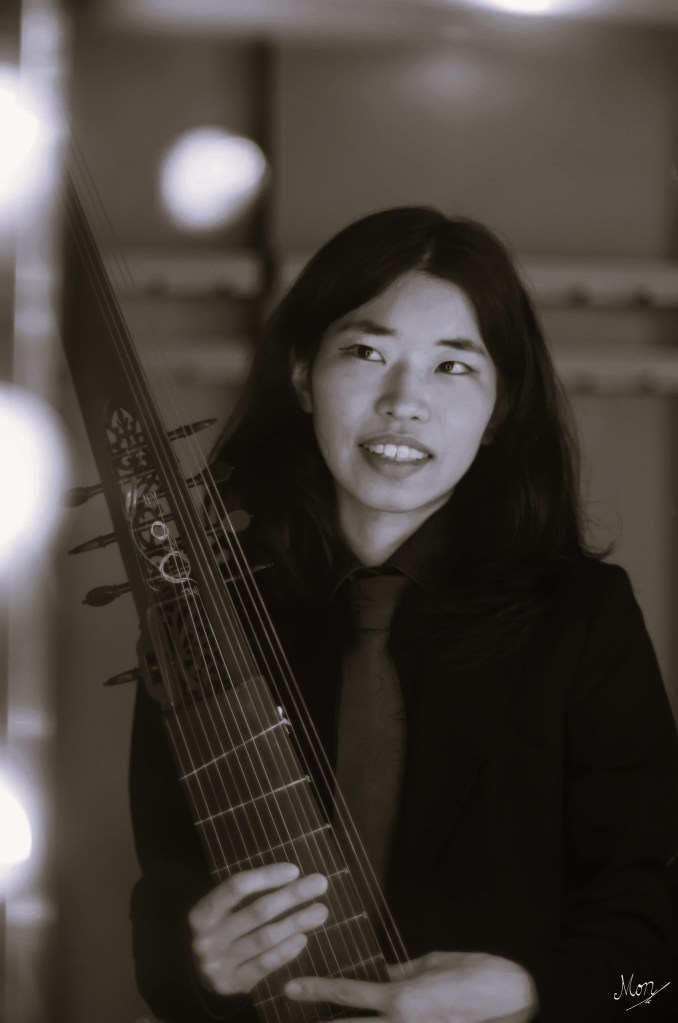
The Japanese lutenist Asako Ueda is based in the Netherlands, pursuing her passion for early music performance, especially chamber music from the 15th to 17th centuries. She won first prize at the Biagio Marini Competition (DE), third prize at the International Van Wassenaer Competition (NL), and second prize at London International Festival of Music (UK). She has played at several music festivals and concert halls, among which Concertgebouw Amsterdam (NL), Amuz (BE), The New National Theatre Tokyo (JP), the Utrecht Early Music Festival (2020 and season 2021, 2024), Laus Polyphoniae (2021 and 2023, as one of selected IYAP ensembles), Wonderfeel (2019), and Bach Academie Brugge (2019), and she is selected for the Artist-in-Residence Programme offered by the Schloss Weißenbrunn Foundation (2024). She constantly collaborates with the Orchestra of the Eighteenth Century (NL), B’Rock (BE), Maarten Engeltjes & prjct Amsterdam (NL), Amsterdam Sinfonietta (NL), El Gran Teatro del Mundo (ES), Lucie Horsch, and Elisabeth Hetherington. She is a co-founder of Sponte Sua (duo with Pablo Sosa, traverso) and Duo Minoriten (duo with Minori Deguchi, baroque violin).In 2019, she established herself not only as a trusted ensemble player but also as a prominent soloist, giving solo recitals on theorbo at the Luitdag of the Dutch Lute Society, and on Renaissance lute at the Dag van het Kasteel.
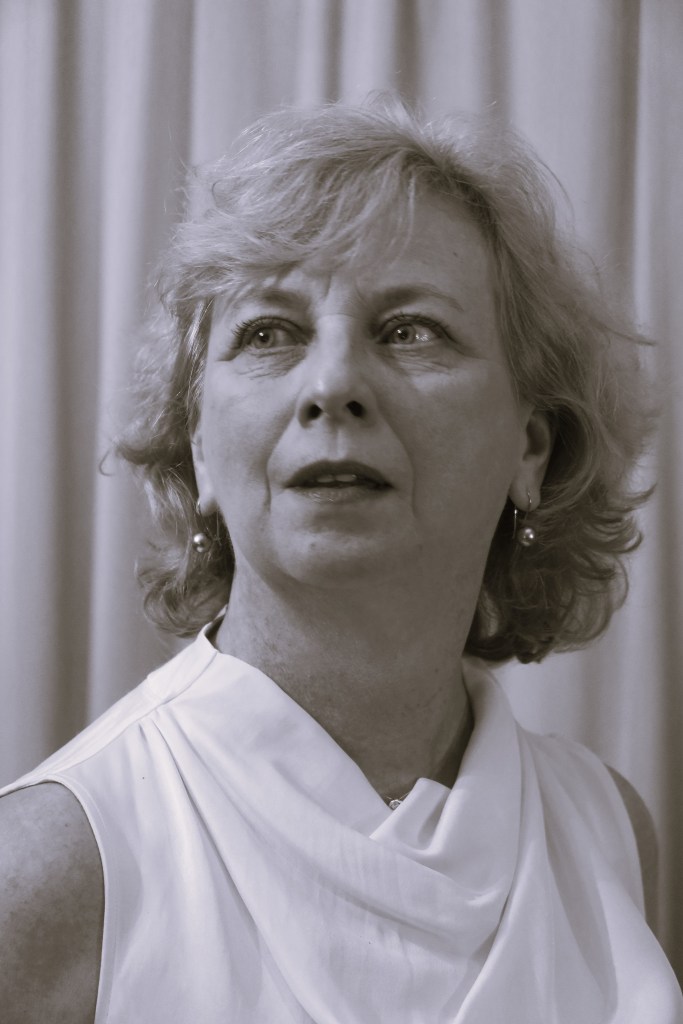
Ágota Aranyos is a dance and drama educator, dancer, and choreographer. She is the artistic director of the Company Canario Historical Dance Ensemble and the Garabonciás Ensemble. She has been teaching Hungarian folk dance since 1990 and is also a specialist in historical dance. Between 2001 and 2009, she taught historical and Hungarian folk dance at the Department of Musicology of Eötvös Loránd University. From 2015 to 2021, she was an instructor of historical dance at the Ward Mária Secondary School of Music, and since 2022 she has been teaching historical dance at the Liszt Ferenc Academy of Music. She has collaborated with opera singers in numerous Baroque opera productions of the Budapest Chamber Opera and has also created choreographies for MTV and for several musical ensembles. For many years, she has taught dance—ranging from the Renaissance to the Romantic period—both in Hungary and abroad, at early music courses and teacher training programs. She also leads museum education programs at the Budapest History Museum, the Hungarian National Museum, and the Royal Palace of Gödöllő. She gives interactive classes on the dances of past centuries for primary and secondary school students and conducts experiential therapy sessions for children with moderate intellectual disabilities.
 Csodaforrás Alternatív Régizenei Egyesület